
Perseid Meteor Shower in Kent 2026: Best Places to Watch
Kent's skies are providing another major astronomical spectacle in August as the annual Perseid meteor shower reaches its peak.
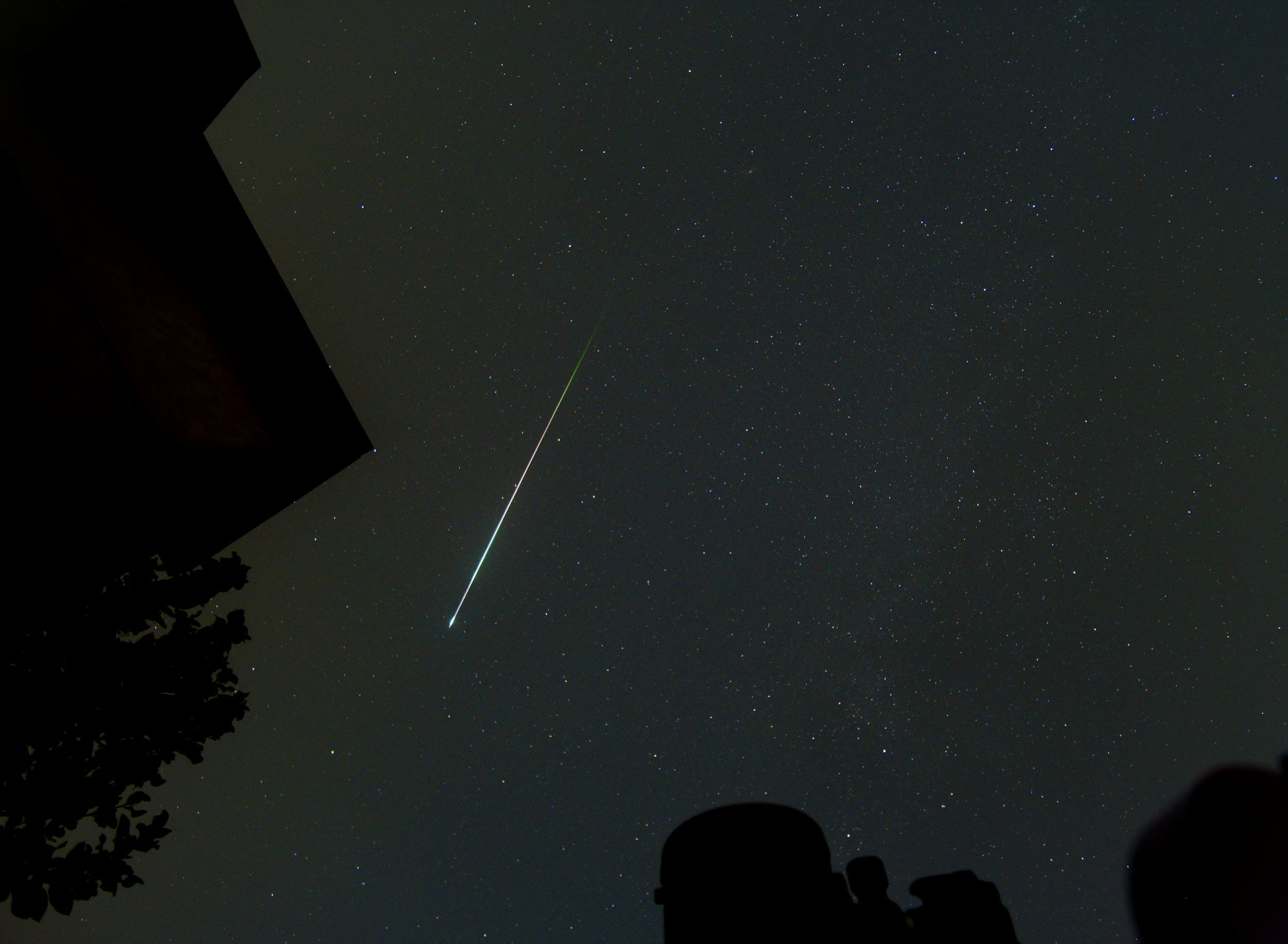
The Perseids are one of the most impressive meteor showers of the year, producing bright, fast-moving shooting stars and occasional fireballs as Earth passes through debris left behind by Comet 109P/Swift-Tuttle. In 2026, the shower is active from 17 July until 24 August and reached its main peak overnight on 12-13 August.
This year's display is particularly favourable because the peak coincided with a New Moon, meaning there is virtually no moonlight washing out the fainter meteors. The Royal Observatory Greenwich says that under ideal conditions the shower has a possible peak rate of up to 150 meteors per hour.
If you are hoping to see the Perseids from Kent, finding somewhere dark with a large view of the sky is far more important than having a telescope.
Here is our guide to the best places to watch the Perseid meteor shower in Kent in 2026.
Perseid meteor shower 2026 at a glance
Peak: Overnight Wednesday 12 to Thursday 13 August 2026
Still visible: Yes - the shower remains active until 24 August
Best viewing time: Generally between midnight and 5.30am
Moon: New Moon during the peak - excellent viewing conditions
Possible peak rate: Up to 150 meteors per hour under ideal conditions
Where to look: Across as much of the sky as possible; meteors appear to radiate from Perseus in the north-east
Equipment: None required
The Royal Observatory recommends giving your eyes at least 15 minutes to adapt to the darkness and avoiding looking at your phone while observing.
1. Dungeness
Address: Dungeness, Romney Marsh, Kent TN29
View type: Remote coastal landscape with huge open skies
Best time: Midnight onwards
Light pollution: Low compared with Kent's major towns
Best for: The best overall stargazing location in Kent
Why visit: Dungeness would be our first choice for watching the Perseids in Kent.
The extraordinary shingle landscape has very few tall buildings or trees across large parts of the peninsula, producing enormous views of the night sky.
Visit Kent specifically recommends Dungeness for stargazing, highlighting its open landscape, endless skyline and ability to reveal impressive star-filled skies away from Kent's larger urban areas.
That combination is ideal for meteor watching because Perseids can appear almost anywhere overhead. Rather than focusing on one small section of the sky, you want as wide a field of view as possible.
There are some important access restrictions to remember. The RSPB Dungeness Nature Reserve itself closes at 5pm, so do not enter the managed reserve after hours. Parts of the wider Dungeness area also border the Lydd military ranges; public access is prohibited when red warning lights are displayed at night.
Visit Kent Guide tip: Use an appropriate public area of the wider Dungeness peninsula rather than attempting to access the RSPB reserve after closing. Find somewhere safe to stop, turn away from nearby lights and give your eyes time to adjust.
2. Wye National Nature Reserve
Address: Wye National Nature Reserve, Wye, Ashford, Kent TN25 5HE
View type: Elevated chalk downland with panoramic skies
Opening times: Open all hours
Parking: Two car parks with voluntary parking charges
Best for: East Kent and Ashford
Why visit: The chalk hills above Wye provide some of Kent's biggest countryside views.
Wye National Nature Reserve sits above the village and contains several panoramic viewpoints around Wye Crown and the Devil's Kneading Trough. From the higher ground, views stretch across Romney Marsh towards Dungeness and the south coast.
The reserve is officially listed as open at all hours and has two nearby car parks, making it one of the more practical elevated countryside options for meteor watching.
The terrain is steep in places, however, and livestock may be grazing within the reserve.
Visit Kent Guide tip: You do not need to wander deep into the Downs after dark. Choose a safe, open viewpoint close to a familiar path and bring a torch for the walk back - ideally one with a red-light mode to preserve your night vision.
3. Farthing Common
Address: Farthing Common Viewpoint, Stone Street, near Folkestone, Kent CT18 8DH
View type: Elevated North Downs viewpoint
Elevation: Approximately 185 metres
Parking: Small car park beside the viewpoint
Best for: Folkestone, Hythe and the Elham Valley
Why visit: Farthing Common is one of the highest points in the eastern Kent Downs and provides far-reaching views across the surrounding countryside.
The viewpoint sits approximately 185 metres above sea level and has a small car park immediately beside it. On clear days, views extend across Kent towards the High Weald and even the South Downs.
The attraction for meteor watchers is the openness. There is relatively little blocking the sky compared with more heavily wooded countryside sites.
The surrounding Elham Valley is also described by Kent Downs as a dark-skies-friendly area, away from the glare of Kent's bigger towns.
Visit Kent Guide tip: Farthing Common is much easier than committing to a long night-time hike. Check the current car park access before travelling late at night and remain around the established viewpoint rather than heading onto unfamiliar paths in darkness.
4. Fackenden Down, Shoreham
Address: Fackenden Lane, Shoreham, Sevenoaks, Kent TN14 7RR
View type: Open chalk downland
Opening times: Open at all times
Parking: Very limited roadside parking
Nearest station: Shoreham, around 25 minutes on foot
Best for: West Kent
Why visit: Fackenden Down is one of the better dark-sky options for visitors around Sevenoaks, Shoreham and the Darent Valley.
The Kent Wildlife Trust reserve occupies an open west and south-west facing slope on the North Downs and is officially open at all times.
Its chalk grassland provides considerably more open sky than a heavily wooded site, making it well suited to meteor watching.
There are some drawbacks. Parking is extremely limited, and the reserve is steep with uneven grass and earth paths. Kent Wildlife Trust specifically notes that parts of the site are very steep.
Visit Kent Guide tip: This is better suited to confident walkers who already know the area than families making their first night-time countryside trip. Wear proper footwear and don't attempt steep unfamiliar sections simply to find a slightly darker viewpoint.
5. Tankerton Slopes, Whitstable
Address: Tankerton Slopes, Whitstable, Kent CT5 2BQ
View type: Open coastal viewpoint
Opening times: Open all hours
Best for: Easy access and families
Light pollution: Higher than rural Kent locations
Why visit: Tankerton will not provide skies as dark as Dungeness or the rural Kent Downs, but it is one of the easiest places to try meteor watching without heading deep into the countryside.
The cliff-top lawns are open at all hours and offer extensive views across the coast. Seating and shelters are positioned around the Slopes, and the open seaward outlook provides a much larger field of view than a typical residential area.
The downside is the additional light pollution from Whitstable, Tankerton and the north Kent coast. Fainter Perseids may therefore be harder to spot.
Bright meteors and fireballs can still be visible from more populated areas, however, so don't assume that travelling to an extremely remote location is essential.
Visit Kent Guide tip: Walk away from the brightest street lighting and avoid staring towards illuminated buildings. Even simply putting a streetlight behind you can noticeably improve what your eyes can see.
6. Elmley National Nature Reserve
Address: Kingshill Farm, Elmley, Isle of Sheppey, Kent ME12 3RN
View type: Huge open skies across an isolated nature reserve
Access: Night-time experience primarily for overnight guests
Best for: A dedicated overnight stargazing stay
Why visit: Elmley offers perhaps the most unusual way to watch the Perseids in north Kent.
The 3,300-acre reserve sits within the open landscape of the Isle of Sheppey and promotes its enormous skies as one of the defining features of staying at the reserve.
It is also the only National Nature Reserve in England where visitors can stay overnight, with accommodation including shepherd's huts, bell tents and rooms around the reserve. Elmley's own summer programme specifically promotes firepit stargazing.
This is not a location to drive into unannounced during the middle of the night. The accommodation and overnight areas are for guests.
Visit Kent Guide tip: Elmley is the option to remember for future meteor showers. If you want to plan a proper astronomy weekend rather than simply driving somewhere for an hour, its open marsh landscape makes it particularly appealing.
Where is the best place to see the Perseids in Kent?
For the darkest and most open landscape, Dungeness is our first choice.
Visit Kent already recommends the area specifically for stargazing, and the flat shingle peninsula gives viewers an enormous field of sky.
Choose Wye National Nature Reserve if you want an elevated viewpoint in east Kent, or Farthing Common if you are closer to Folkestone and Hythe.
For West Kent, Fackenden Down provides open chalk grassland away from the centre of Sevenoaks.
If accessibility and simplicity matter more than finding the absolute darkest skies, Tankerton Slopes is an easier coastal option.
What time should you watch the Perseid meteor shower?
The Royal Observatory Greenwich recommends observing the Perseids between approximately midnight and 5.30am.
You can see meteors earlier because the Perseid radiant remains above the horizon from the UK, but activity generally becomes easier to see as the night progresses.
You do not need to stay outside for five hours. Even 30 to 60 minutes under a genuinely dark sky gives you a reasonable opportunity to see meteors.
Meteor activity is naturally irregular, so you might see several shooting stars close together followed by a quieter period.
How many shooting stars could you see?
The Royal Observatory lists a possible hourly rate of around 150 at maximum for the 2026 Perseids under ideal observing conditions.
That does not mean someone standing in Kent should expect to count exactly 150 meteors every hour.
The quoted rate assumes extremely favourable dark skies, the meteor radiant being in an optimal position and an observer able to see the entire sky. Light pollution, clouds, trees, buildings and the height of the radiant all reduce the number actually visible.
The International Meteor Organization notes that normal observed rates from rural locations around the Perseid maximum are substantially lower than the headline theoretical rate.
Where should you look for the Perseids?
The meteors appear to radiate from the constellation Perseus, which is in the north-eastern part of the sky during the main viewing period.
However, you should not spend the entire evening staring directly at Perseus.
Meteors can appear across virtually any part of the sky. The Royal Observatory recommends choosing somewhere with a large unobstructed view rather than using binoculars or a telescope, both of which restrict how much sky you can see.
Lie back or use a reclining chair and simply watch a broad section of the sky.
Do you need a telescope to see the Perseids?
No.
In fact, telescopes and binoculars generally make meteor watching more difficult because they dramatically reduce your field of view.
Your eyes are the best equipment.
Allow at least 15 minutes for them to adjust to the darkness and avoid repeatedly checking a bright phone screen.
Tips for watching the Perseids in Kent
Check the latest cloud forecast before travelling. A darker site offers little advantage if it is completely covered by cloud.
Move away from streetlights and other artificial lighting wherever possible.
Give your eyes at least 15 minutes to adapt to the darkness.
Bring warm layers even after a hot summer day. Temperatures can fall significantly during several hours sitting still outdoors.
A reclining camping chair or picnic blanket makes viewing much more comfortable because most of your time should be spent looking upwards.
Use a red-light torch where possible rather than a bright white phone flashlight.
Do not enter closed parks, private farmland or nature reserves after their published opening hours simply to escape light pollution.
If visiting a remote countryside location, tell someone where you are going and remain on established paths.
Frequently asked questions
Can you still see the Perseid meteor shower tonight?
Yes. The 2026 Perseids peaked overnight on 12-13 August but remain active until 24 August. Meteors should therefore continue to be visible tonight and over the following nights, although activity gradually decreases after the peak.
What time is best to see the Perseids in Kent?
The best general viewing period is between midnight and around 5.30am, when the sky is darkest and the Perseid radiant is higher.
Where is the best place to watch the Perseids in Kent?
Dungeness is one of the strongest options because of its dark skies, open landscape and enormous horizon. Wye National Nature Reserve, Farthing Common and Fackenden Down are also good countryside viewpoints.
What direction should I look for the Perseids?
The Perseids appear to radiate from the constellation Perseus in the north-eastern sky, but meteors can appear anywhere overhead. Watch as much of the sky as possible rather than staring at a single point.
How many meteors can you see during the Perseids?
The Royal Observatory gives a possible maximum rate of around 150 meteors per hour under ideal conditions in 2026. The number actually visible to an individual observer will normally be lower.
Do you need eclipse glasses to watch the Perseids?
No. Eclipse glasses are only needed for safely viewing the Sun. Meteors are viewed normally with the naked eye at night.
Do you need binoculars or a telescope?
No. The Perseids are best viewed with the naked eye because meteors can appear across a large area of sky. Telescopes and binoculars restrict your field of view.
More astronomy in Kent
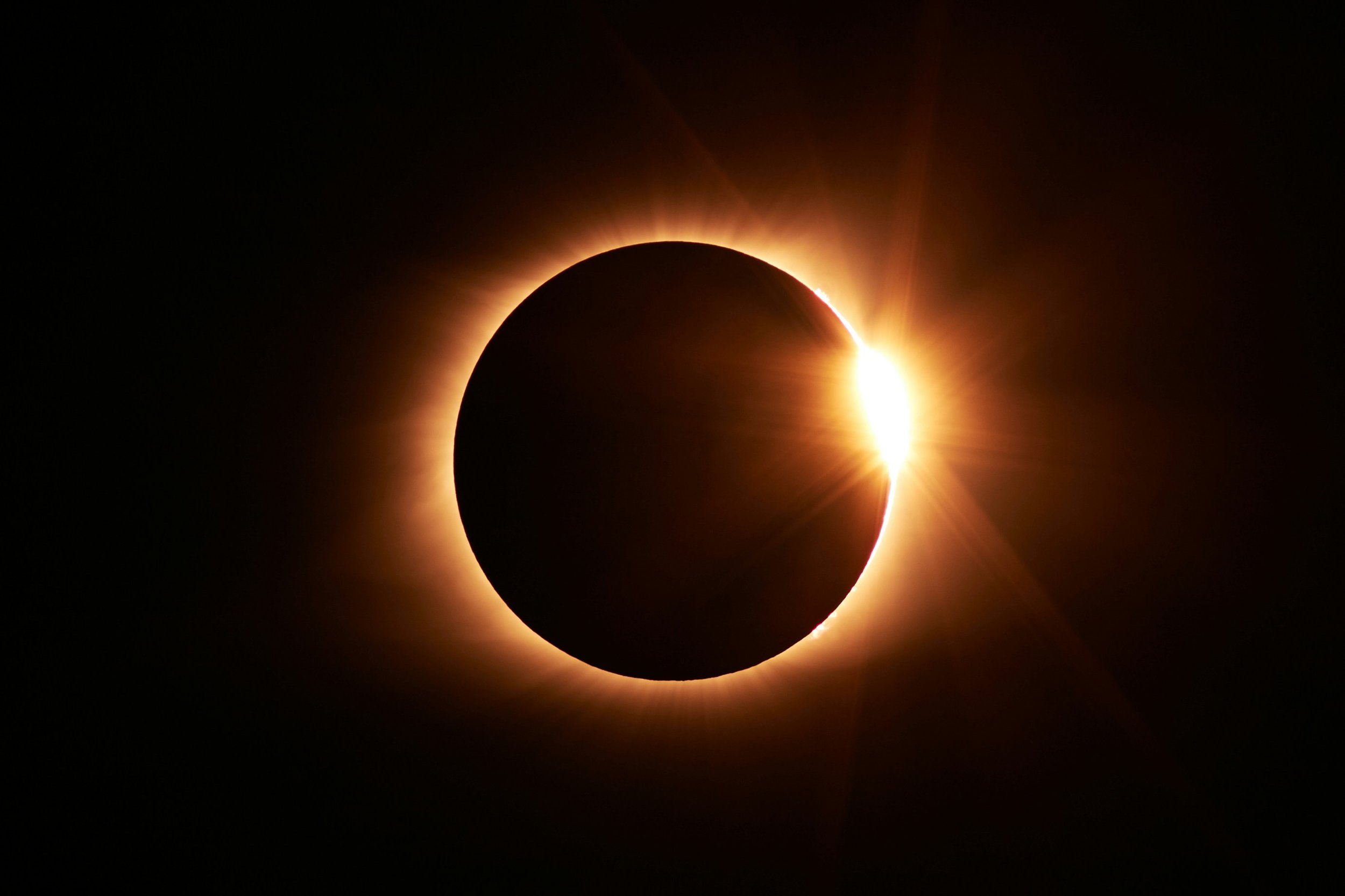
The Perseid meteor shower follows the spectacular partial solar eclipse visible across Kent on 12 August 2026.
If you watched the eclipse yesterday, the Perseids provide another reason to head away from Kent's town centres and look towards the sky - with shooting stars continuing to be visible throughout the second half of August.








Our guide to the best getaways this Easter.